PPWR (Packaging and Packaging Waste Regulation), sustainability and concrete solutions for the packaging world of tomorrow – groku showed at Interpack 2026 in Düsseldorf how companies can successfully master the requirements of the new EU packaging regulation.
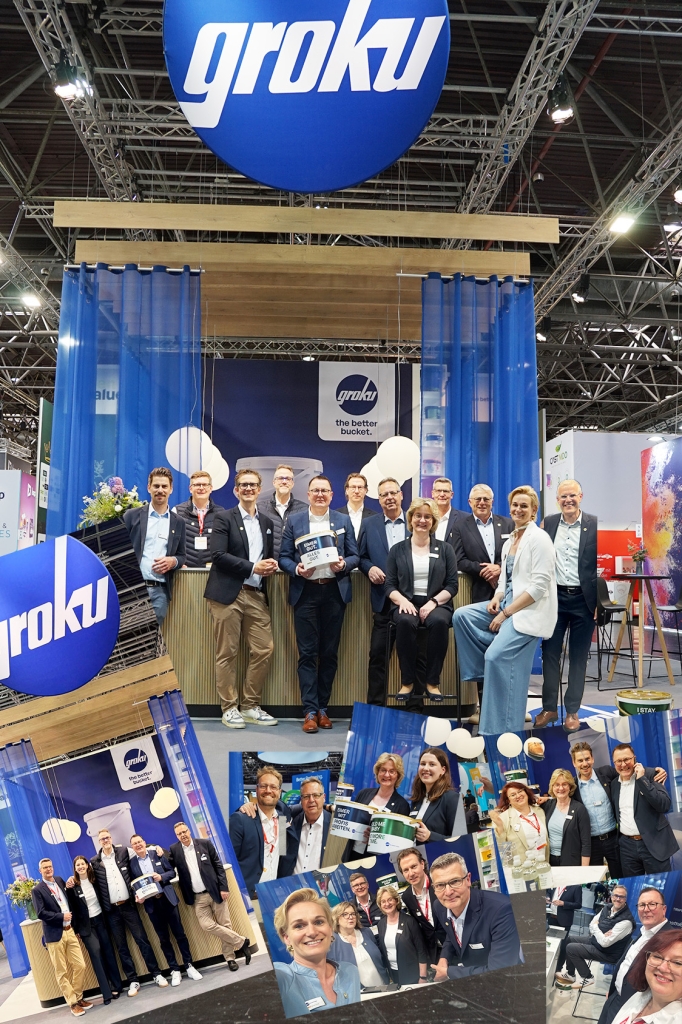
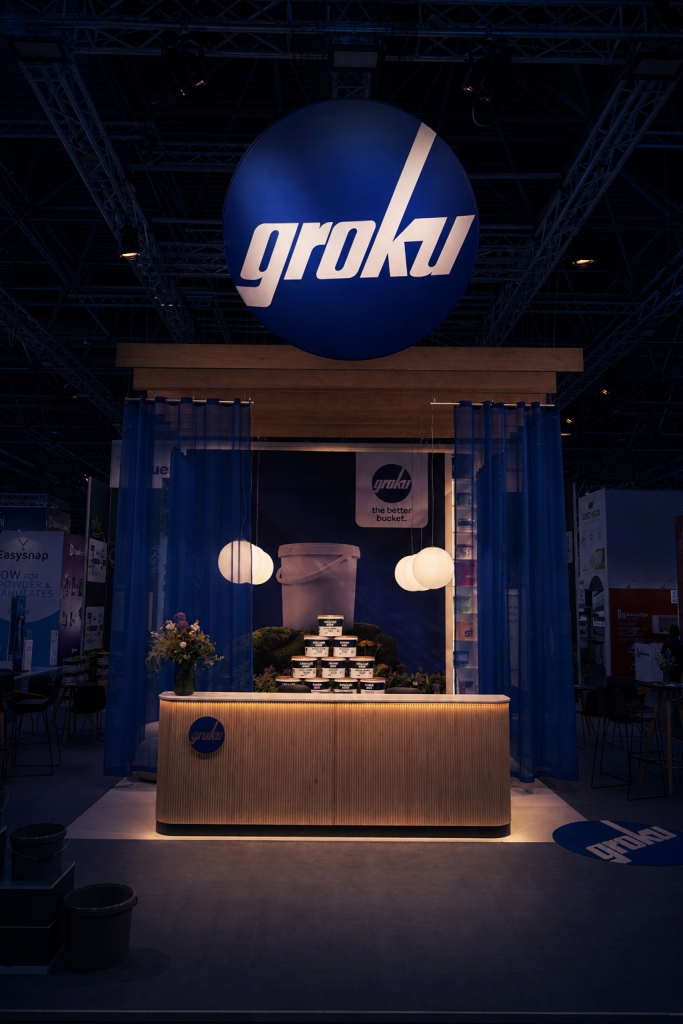
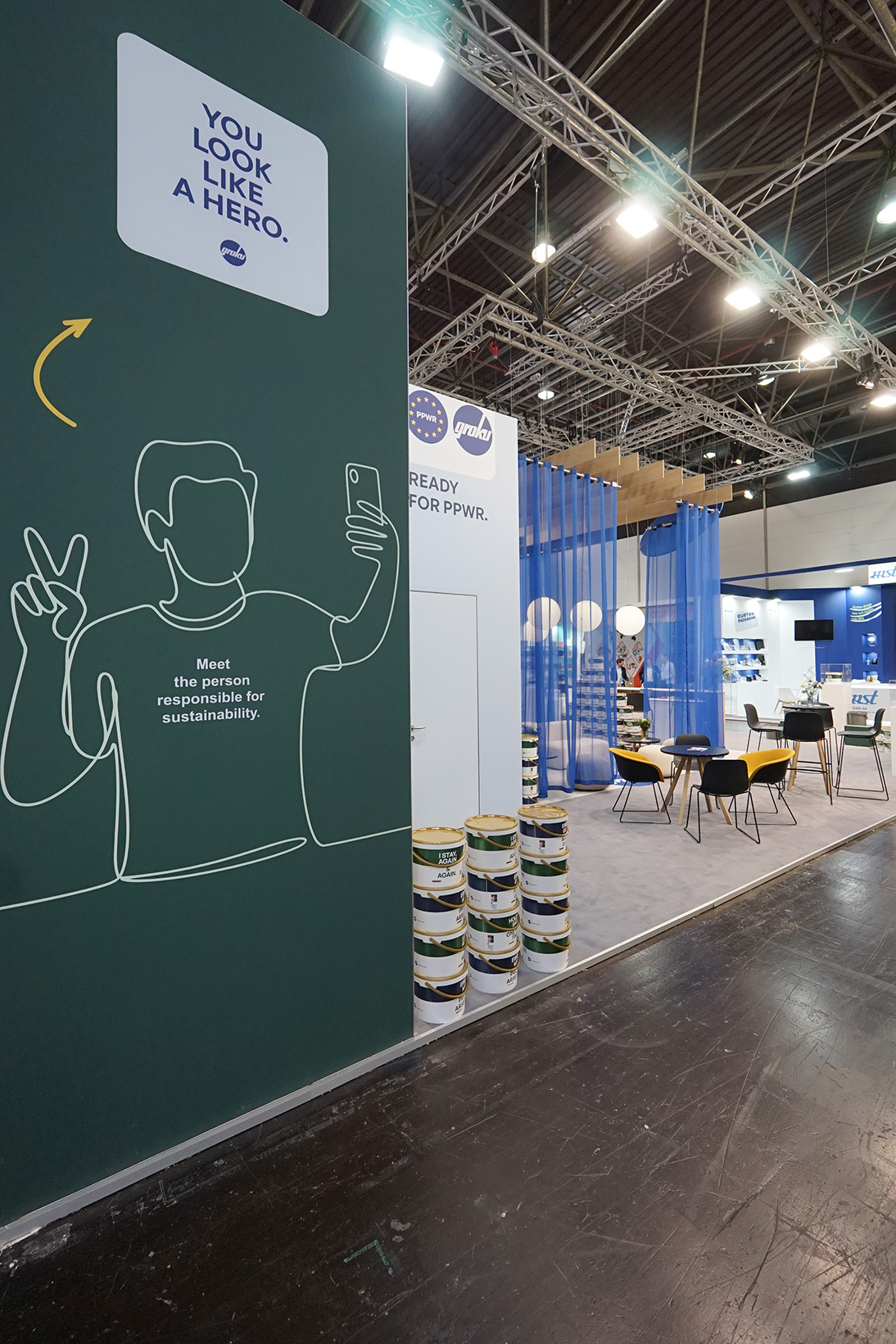
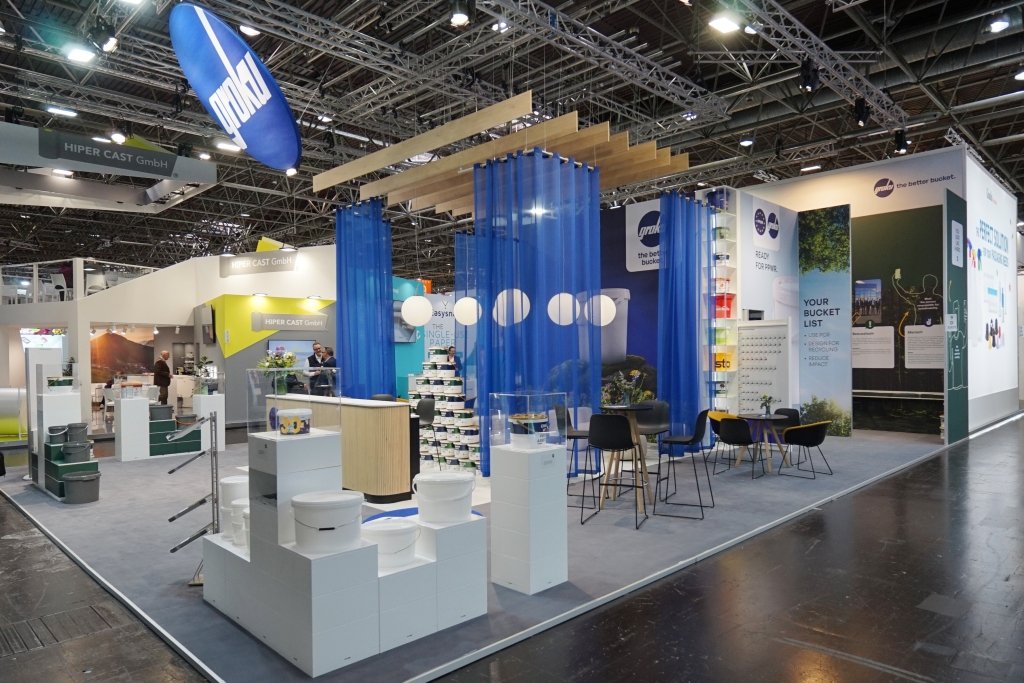
At the world’s leading trade fair for process and packaging technology, groku presented itself as a partner for sustainable plastic packaging on a 135 square meter stand in Hall 9, Stand D32. The focus was on the new EU packaging regulation PPWR, packaging solutions with a focus on recyclability, the use of recyclates and resource efficiency, as well as the further development of our vision of the better bucket.
Our goal was clear: visitors should leave the stand with the confirmation: “groku is a reliable partner for sustainable plastic packaging and competently supports customers on the way to the PPWR.”
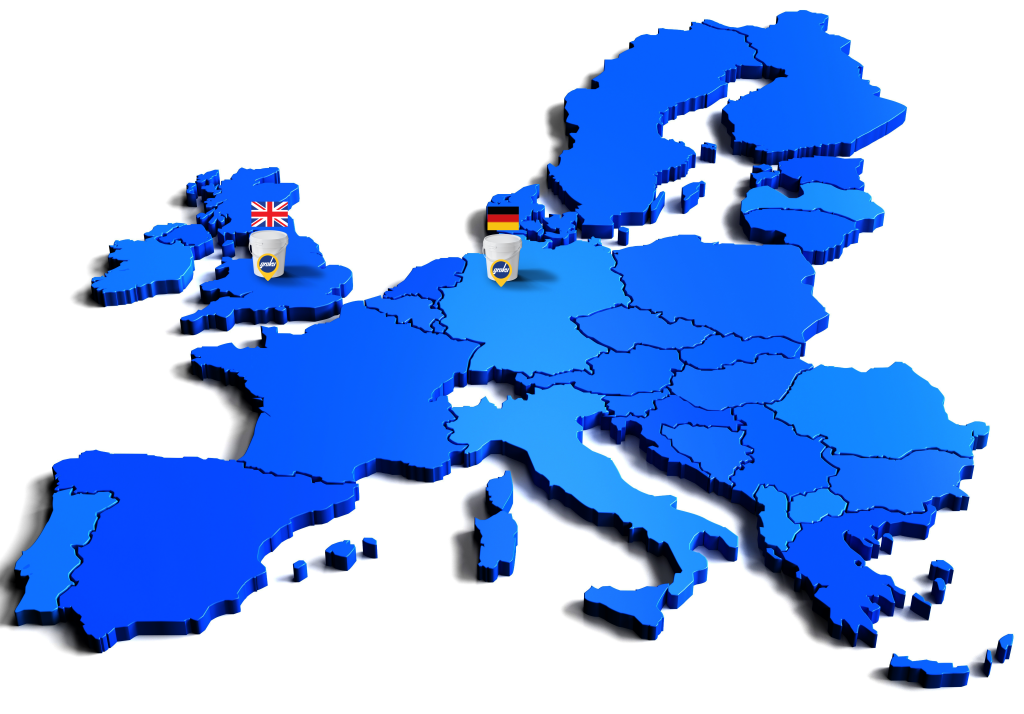
The PPWR came into force in February 2025 and will be binding throughout the EU from August 12, 2026 after the transition period. Its aim is to reduce packaging waste, promote recycling and strengthen the circular economy. For many companies, this means new requirements for materials, recyclability, use of recyclates and documentation. In addition, the regulation stipulates mandatory minimum percentages of post-consumer recyclate (PCR) for certain plastic packaging from 2030. This means that the use of high-quality recyclates is already becoming increasingly important. For groku, however, the PPWR is far more than just a regulatory challenge – it is an important driver of innovation. That is why our central message at Interpack was: groku is READY FOR PPWR and supports its customers in preparing for the requirements of the regulation at an early stage.
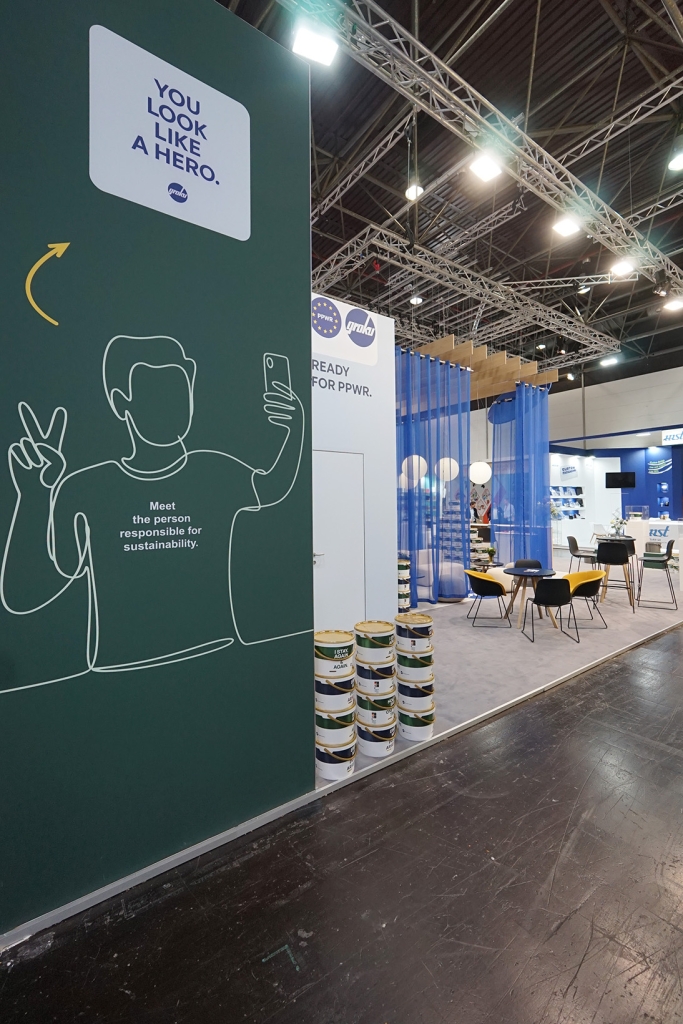
Even at first glance at the trade fair stand, it was clear how important sustainability is to groku. The open stand concept combined modern communication areas with a lounge area and a specially set up sustainability area, which served as a central contact point for discussions on the future of packaging. This area focused on the “groku green values ” – the company’s sustainability strategy. They show how groku takes sustainability aspects into account in the development of products, processes and services and harmonizes them with economic requirements.
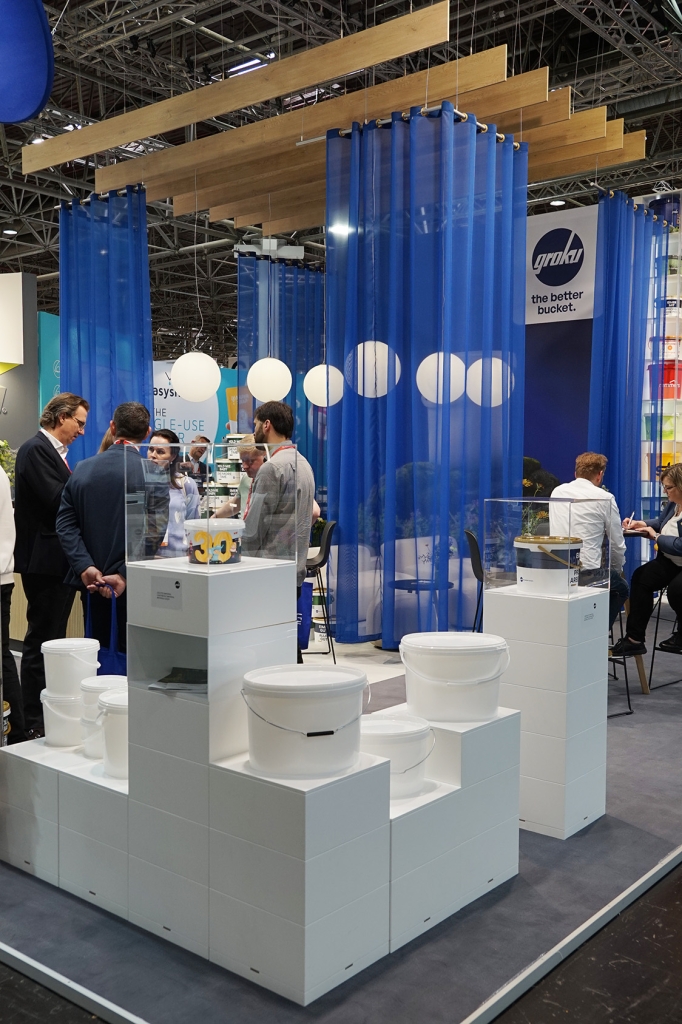
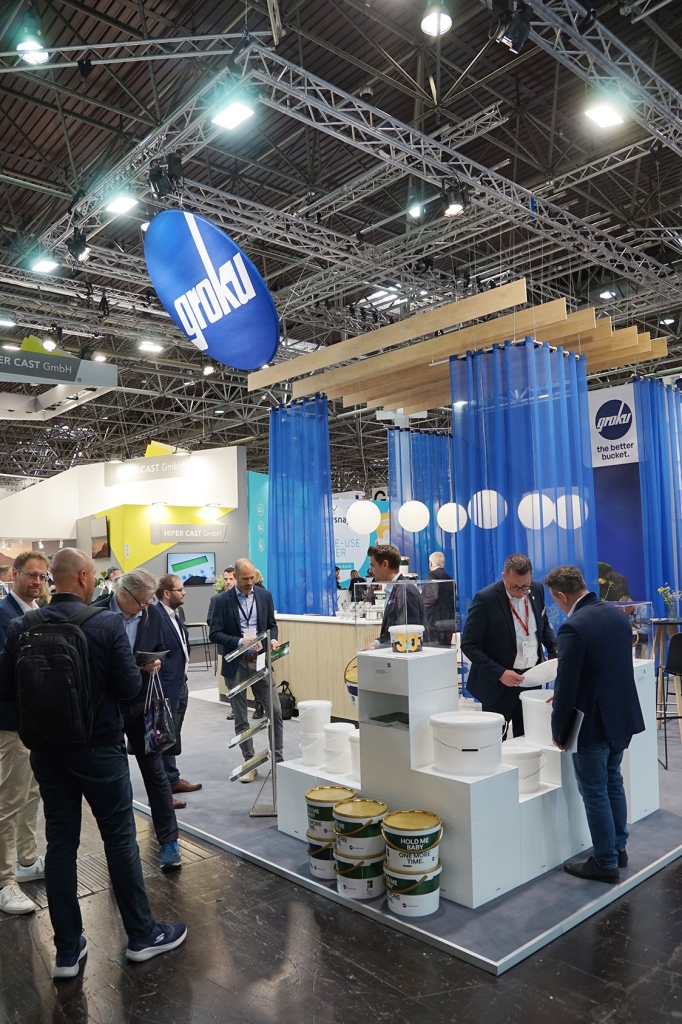
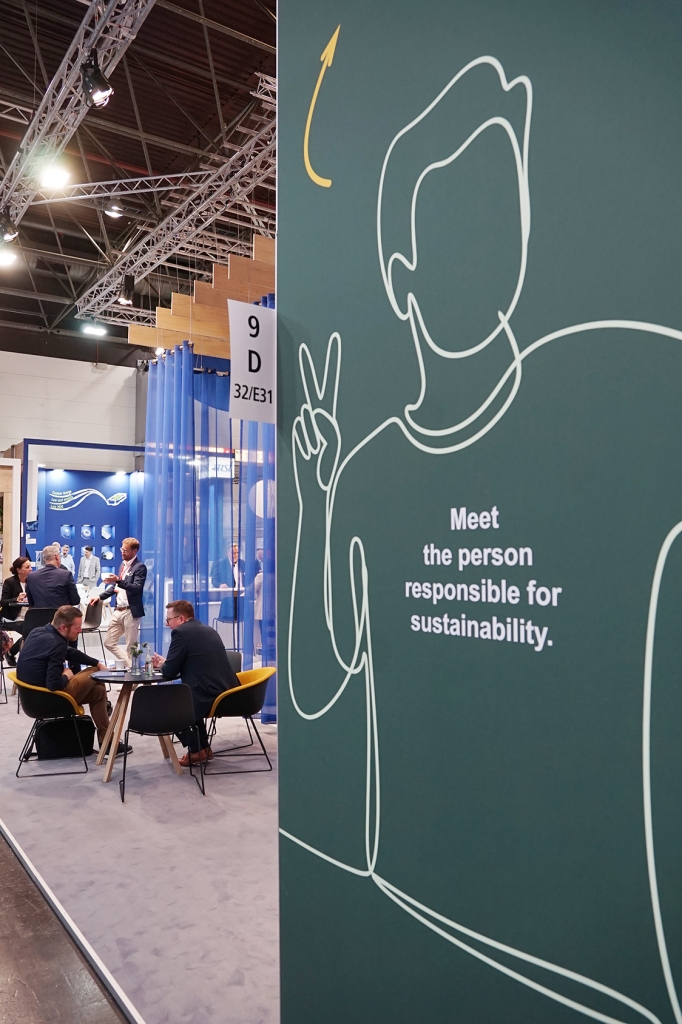
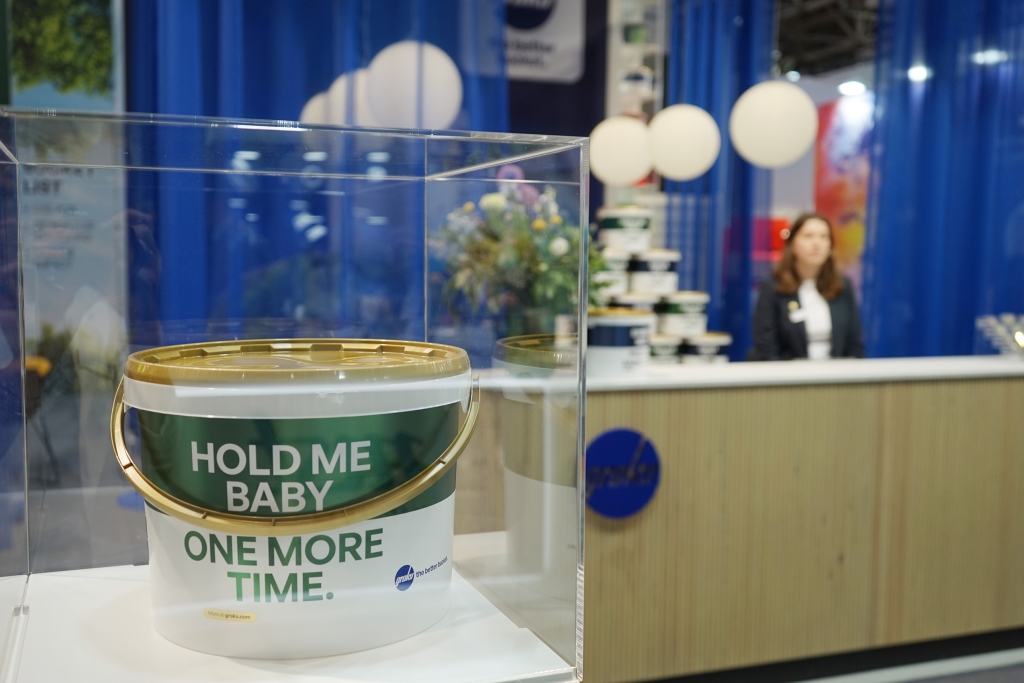
Our brand and vision, the better bucket, was at the center of the trade fair stand. The “better bucket” stands for the continuous further development of plastic packaging with regard to recyclability, the use of recyclates and future regulatory requirements.
We presented three key innovations at Interpack:
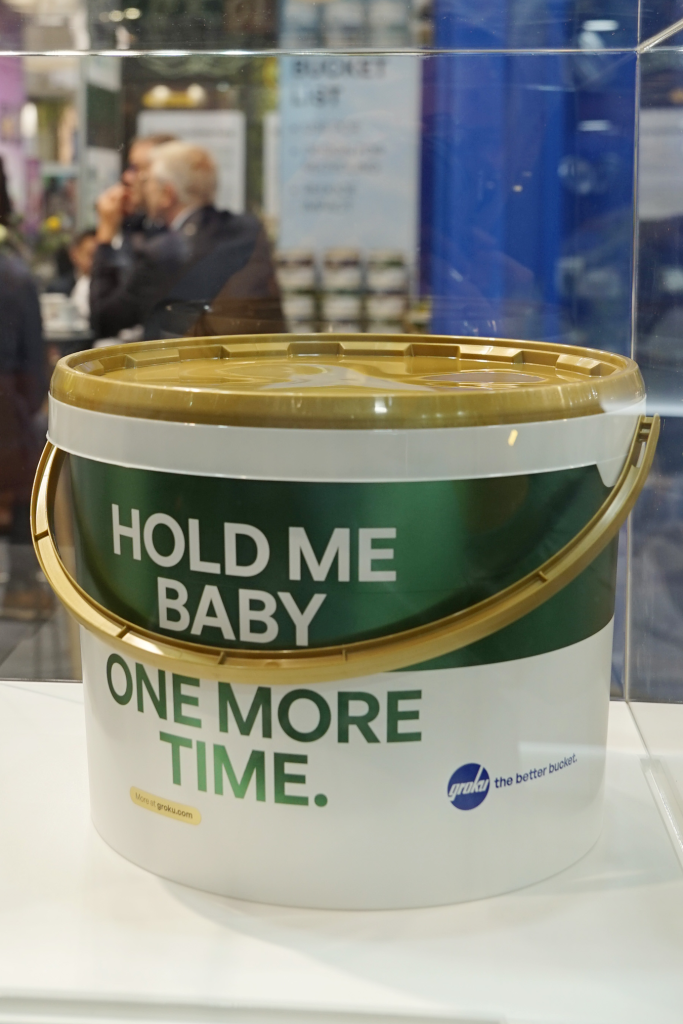
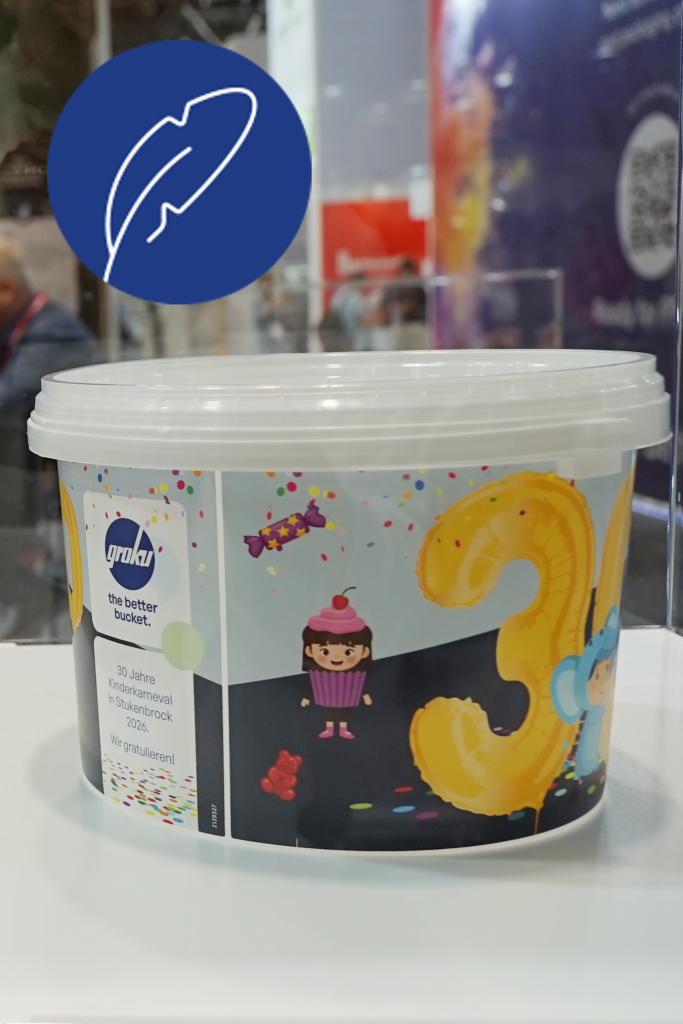
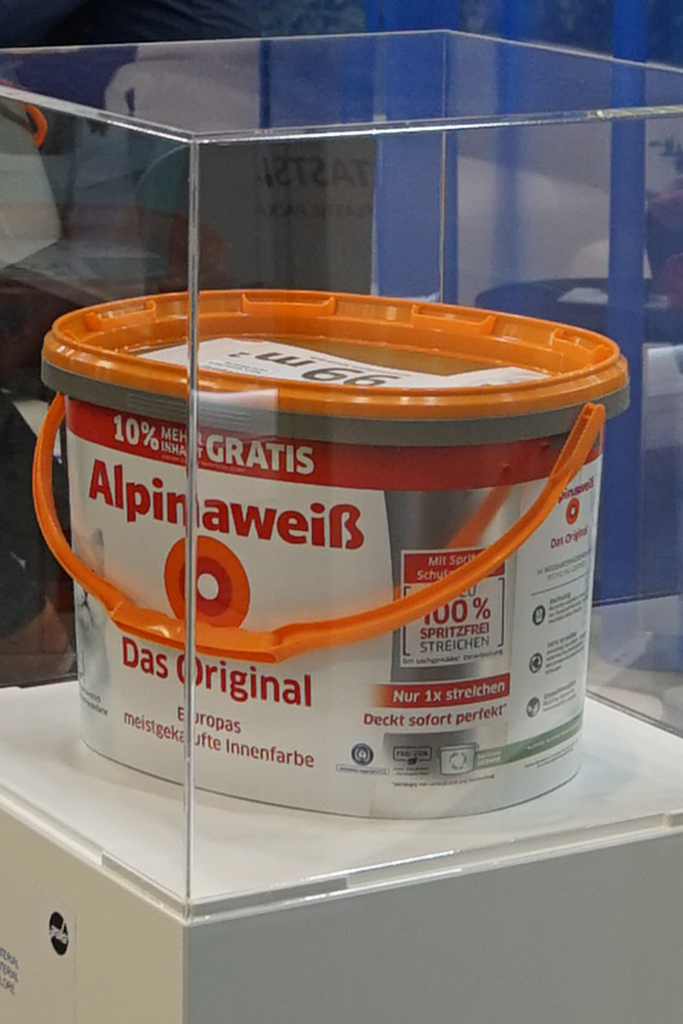
Colored PCR material – brand identity meets sustainability
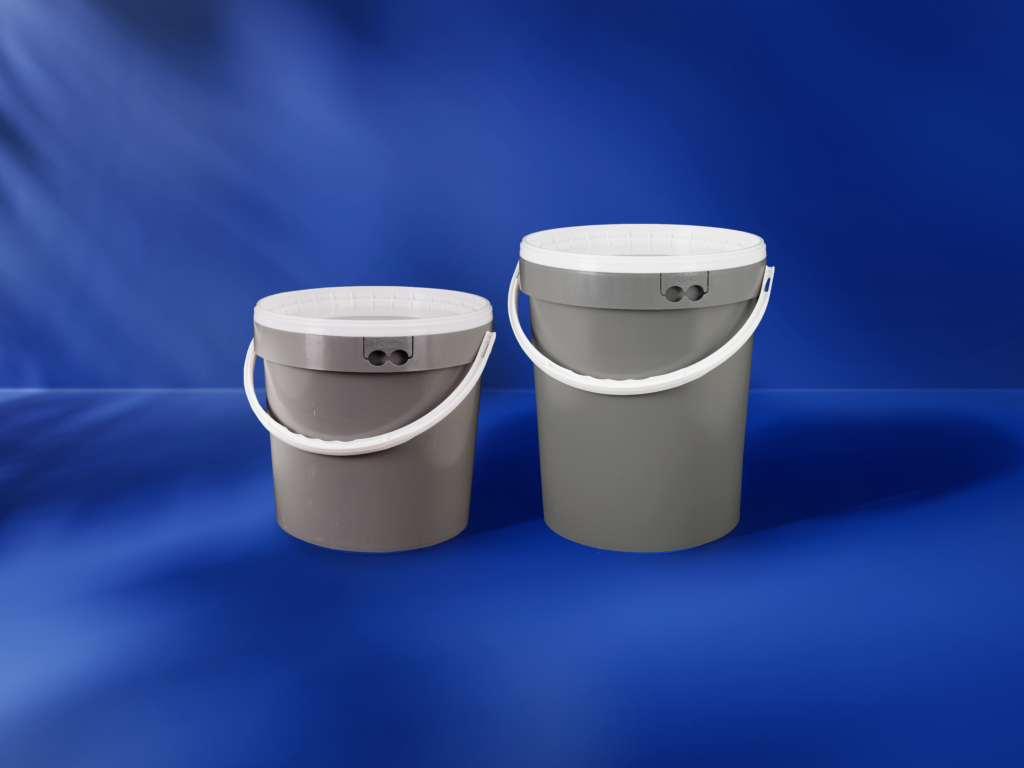
A common challenge when using post-consumer recyclate (PCR) is the color. Many companies fear that their brand identity will be compromised. groku showed at Interpack that sustainability and brand impact need not be a contradiction in terms. With colored PCR material, we were able to demonstrate that individual brand colors can be realized even with a high proportion of recyclate – and at the same time the requirements for the increased use of recyclates can be taken into account.
Lighter buckets for reduced material usage
Another focus was on the further development of existing packaging solutions. The bucket generations presented show how optimized designs can reduce material usage and improve handling. At the same time, aspects of design for recycling are already taken into account during product development. In this way, groku is pursuing the goal of gradually making packaging solutions more resource-efficient and better aligning them with future requirements for recyclability and the circular economy.
ROVAL – individual packaging solution made from PCR
groku presented another development with the new ROVAL bucket series. The customizable solution uses PCR materials and combines functional requirements with a modern design approach. In addition, the ROVAL series is characterized by a wide and deep footprint, which contributes to a high level of transport safety. At the same time, the geometry enables efficient utilization of the pallet volume and thus creates advantages for storage and logistics. ROVAL shows how customer-specific packaging concepts can be combined with the requirements of material efficiency, functionality and future regulatory framework conditions.
Sustainability you can touch
In the sustainability area, sustainability was not only explained, but made tangible. In addition to examples of grey and colored PCR material, visitors were able to learn about the advantages of modern packaging solutions in practical demonstrations. The tear-off tests, in which the performance of plastic hangers was shown in comparison to classic metal hangers, aroused particular interest. The demonstrations clearly illustrated how innovative designs can offer functional benefits and support recyclability and material efficiency requirements.

Together towards 2030
Interpack 2026 has shown: The transformation of the packaging industry is in full swing. The requirements of the PPWR will be a major focus for companies in the coming years. At the same time, new requirements and development opportunities are emerging for packaging solutions with a focus on recyclability, the use of recyclates and resource efficiency. groku sees itself as a partner on this journey.
Thank you for your visit
We would like to thank all customers, partners and interested parties for the numerous discussions at Interpack 2026. You were unable to be there or would like to learn more about the solutions presented?
Then get in touch with us. Our sales team will be happy to show you how groku can support your company in the development and implementation of PPWR-oriented packaging concepts.